IHD/PsychDev Colloquium: Arianne Eason Exposure to Residential Segregation and its Effects on Intergroup Cognition
November 4, 2019 • 12:10pm–1:30pm • 2121 Berkeley Way, #1104 (2121 BWW #1104)
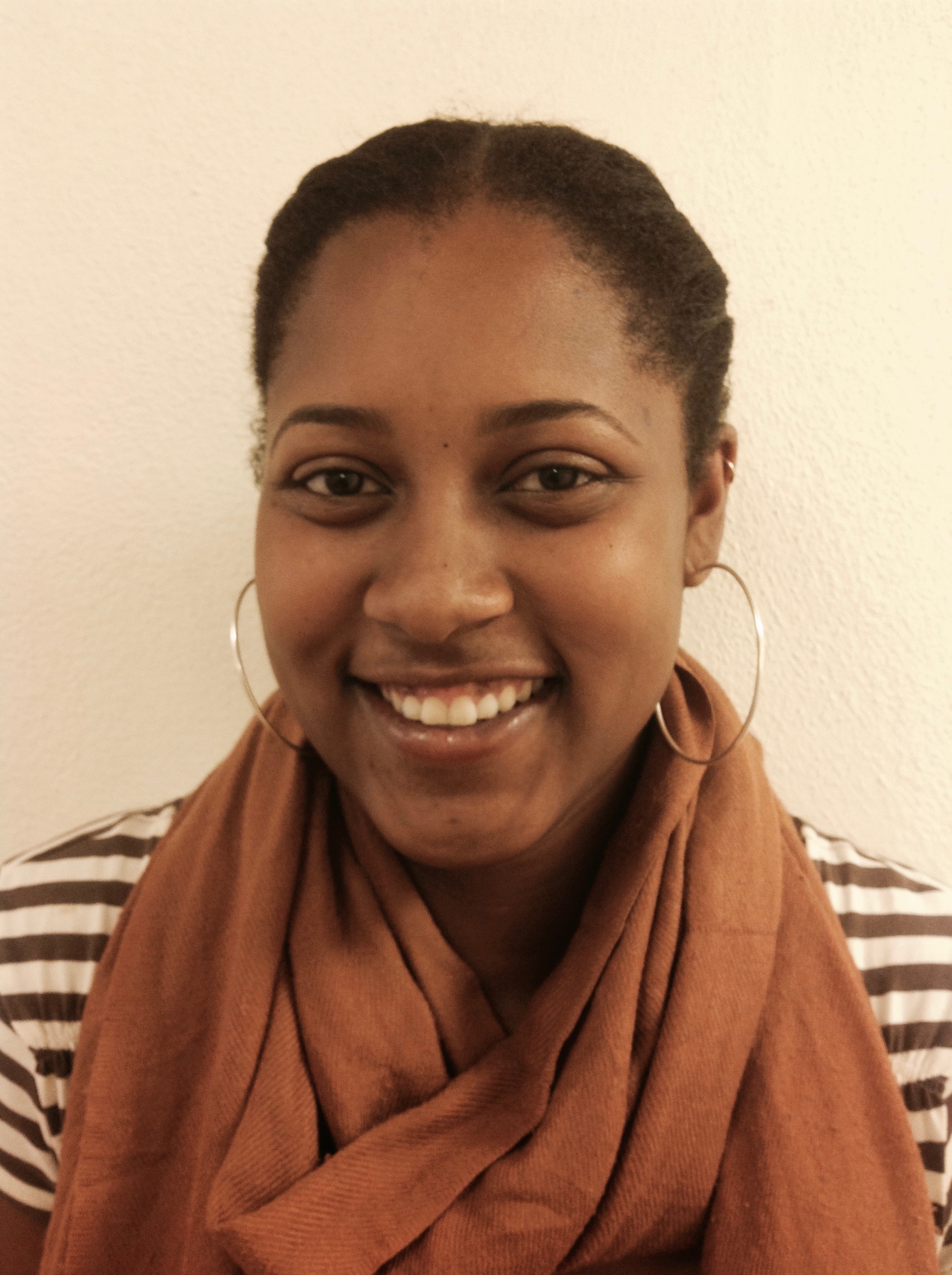 Talk title: Exposure to Residential Segregation and its Effects on Intergroup Cognition
Brief Abstract: In the U.S. today, racial segregation remains rampant in neighborhoods, schools, and even the workplace. Given the persistent inequity in terms of both race and social class in the U.S., my research utilizes perspectives from developmental, social, and cultural psychology to examine how features of our social and cultural contexts (e.g., racially segregated neighborhoods and classrooms) influence individuals’ thoughts and feelings about intergroup relations, and how these psychological outcomes in turn reify existing inequities. In this talk, I will examine how racial segregation shapes perceptions of others’ racial attitudes throughout development. In addition, I discuss how these perceptions may be used to justify and ultimately perpetuate the persistence of racial segregation. By bringing to light these processes, we can better understand why change is more difficult and slow than expected.
Research Area: Developmental & Social/Personality
Education: Ph.D., University of Washington
Research Interests: Intergroup Relations, Prejudice, Bias, Social Cognitive Development, Inequality, Culture
Research Description: Over the course of US history, there have been and continue to be vast inequalities in terms of race and social class. My research examines how features of our social and cultural context shape peoples’ attitudes and behavior in ways that work to reify existing inequalities and stagnate change.
Overall, my research aims to understand: 1) how we think about and behave towards diverse others within a complex society riddled with inequality; and 2) how we facilitate positive change. Towards these aims, my work draws broadly on developmental, social, and cultural psychology to examine three processes: 1) How racially segregated environments influence interracial relations; 2) How the omission of contemporary representations of Native people influence biases toward the group; and 3) How the presence of wealth inequality influences infants’ evaluations and actions towards individuals? By shedding light on the ways in which our social and cultural contexts work in tandem with what exists in people’s minds (i.e., thoughts, feelings, and actions), we can better work towards creating a more equitable nation.